





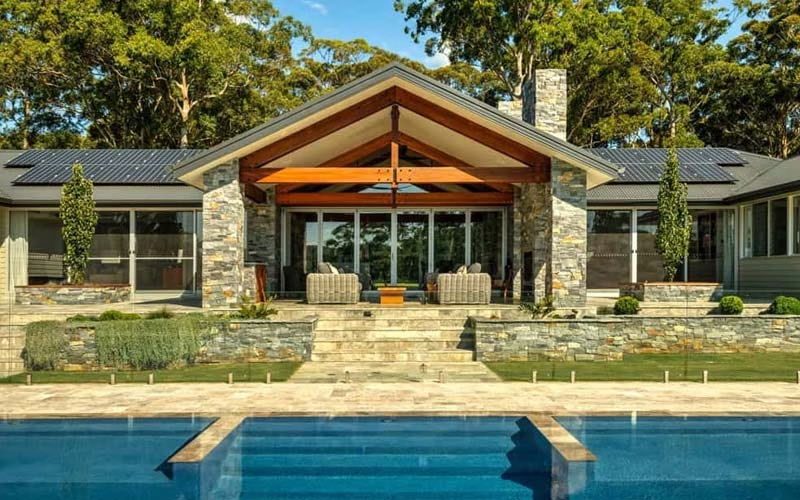
Why The Feeling Of “Home” Matters
The feeling of “home” is more than shelter—it’s a haven to relax, recharge, and be yourself. Studies show that ambiance and layout affect mental health and productivity. Investing in furnishings and décor provides security and belonging, vital for well-being. When designing your sanctuary, prioritize comfort and quality. From plush seating to curated accessories, your choices shape your home’s atmosphere. Those looking for inspiration or distinctive pieces might explore luxury furniture stores in Salt Lake City to find items that blend elegance with functionality. Shopping at such destinations allows you to invest in timeless designs that elevate your everyday experience. Additionally, consider incorporating personal touches such as artwork or decorative throws to make the space uniquely yours. Remember, your sanctuary should reflect your personality and bring you peace and joy every day.
Foundations Of Comfort: First Steps
Transforming a house into a home begins with the layout and thoughtful placement of key pieces. Start by considering how each room is used—are you entertaining, relaxing, or working? For high-traffic areas, maintain clear walkways and create gathering spaces where conversations can flow naturally. Arrange furniture to maximize social interaction while also accommodating private, restful corners where household members can unwind.
Don’t overlook foundational comforts like soft textiles, supportive chairs, and well-placed lighting. Details like area rugs, throw pillows, and curtains not only add warmth but also absorb sound, making rooms feel cozier and more inviting. Experts recommend starting with spaces where your family spends the most time, optimizing for both functionality and comfort from the outset.
Color, Light, And Mood
The interplay between lighting and color is powerful when shaping a mood. Soft, warm bulbs cast a welcoming glow, perfect for evenings or intimate gatherings, while brighter, cooler lighting energizes morning routines or workspaces. Color psychology suggests that hues like blue and green instill calm, while sunny yellows lift the spirit. If you’re looking to refresh your space quickly, consider investing in new lamps or an accent wall—small changes deliver a surprising impact.
Natural light is equally vital for well-being. Maximize sunlight by keeping windows unobstructed, using sheer curtains, or strategically placing mirrors. For more on how color influences mood, visit Verywell Mind’s guide to color psychology.
Choosing Furniture That Fits Your Story
Furniture tells the narrative of your household. Whether you prefer minimal lines or statement pieces, prioritize comfort, quality, and durability. Consider your daily routines—do you host guests often, need extra storage, or require kid-friendly materials? Modular sofas, extendable tables, or vintage discoveries found at local shops layer in both functionality and personality. Take your time to acquire meaningful pieces rather than rushing to fill a room; this mindful approach results in a more authentic and cohesive home.
Personal Touches: Making It Truly Yours
Your home should be a reflection of the people who live in it. Display cherished mementos—a gallery wall of family photos, hand-picked artwork, or souvenirs from travels. Even small touches, like a favorite vase, an inherited quilt, or a DIY project, can infuse everyday spaces with warmth and memories. Regularly refreshing these displays, perhaps on a seasonal basis, keeps your home dynamic and inspiring while retaining its comfort and familiarity.
Decluttering And Organization For Peace Of Mind
A tidy, uncluttered environment is directly tied to peace of mind. Numerous studies link organized spaces to increased creativity and reduced stress. Set aside time each week to sort belongings, donate what’s no longer needed, and create intentional storage—think multifunctional ottomans, under-bed bins, or wall-mounted hooks. Streamlining your possessions doesn’t mean sacrificing style; creative solutions can keep essentials accessible while maintaining visual calm. For more on the surprising benefits of decluttering, see NPR’s report on how clutter affects your brain.
Sustainable Choices And Long-Term Happiness
Sustainability is increasingly important in crafting a home built for the long term. Choosing eco-friendly materials—such as reclaimed wood, recycled textiles, or furniture made by local artisans—contributes to both environmental stewardship and a deeper sense of pride in your space. Supporting ethical manufacturing and caring for your possessions not only extends their lifespan but also creates a backdrop for future memories, benefiting the planet in the process.
Embracing Change And Adapting With Life
As life evolves, so should your home. Celebrating change—whether through new hobbies, the arrival of pets, or growing families—keeps your living spaces vibrant and adaptable. Don’t be afraid to shift layouts, try a bold new accessory, or rotate favorite items into different rooms. Embracing flexibility ensures your home grows with you, remaining relevant and supportive no matter what stage of life you’re in.